NASA
The National Aeronautics and Space Administration. The gold standard of space exploration.
Planetary / Mission Telemetry
Historical Context
The Past
Born out of the sheer panic of the Soviet Union's successful launch of Sputnik 1 in 1957, NASA was established in 1958 by President Dwight D. Eisenhower to consolidate the United States' scattered civilian and military space efforts. The agency's defining moment came during the intense pressure of the Apollo Program. On July 20, 1969, NASA achieved the greatest technological and organizational feat in human history: landing Neil Armstrong and Buzz Aldrin on the Moon and returning them safely to Earth. Following Apollo, NASA developed the Space Shuttle program, which flew 135 missions to build the International Space Station (ISS) and launch iconic payloads like the Hubble Space Telescope. Furthermore, NASA's Jet Propulsion Laboratory (JPL) launched the legendary Voyager probes, which became the first human-made objects to ever leave the Solar System.
Live Status
The Present
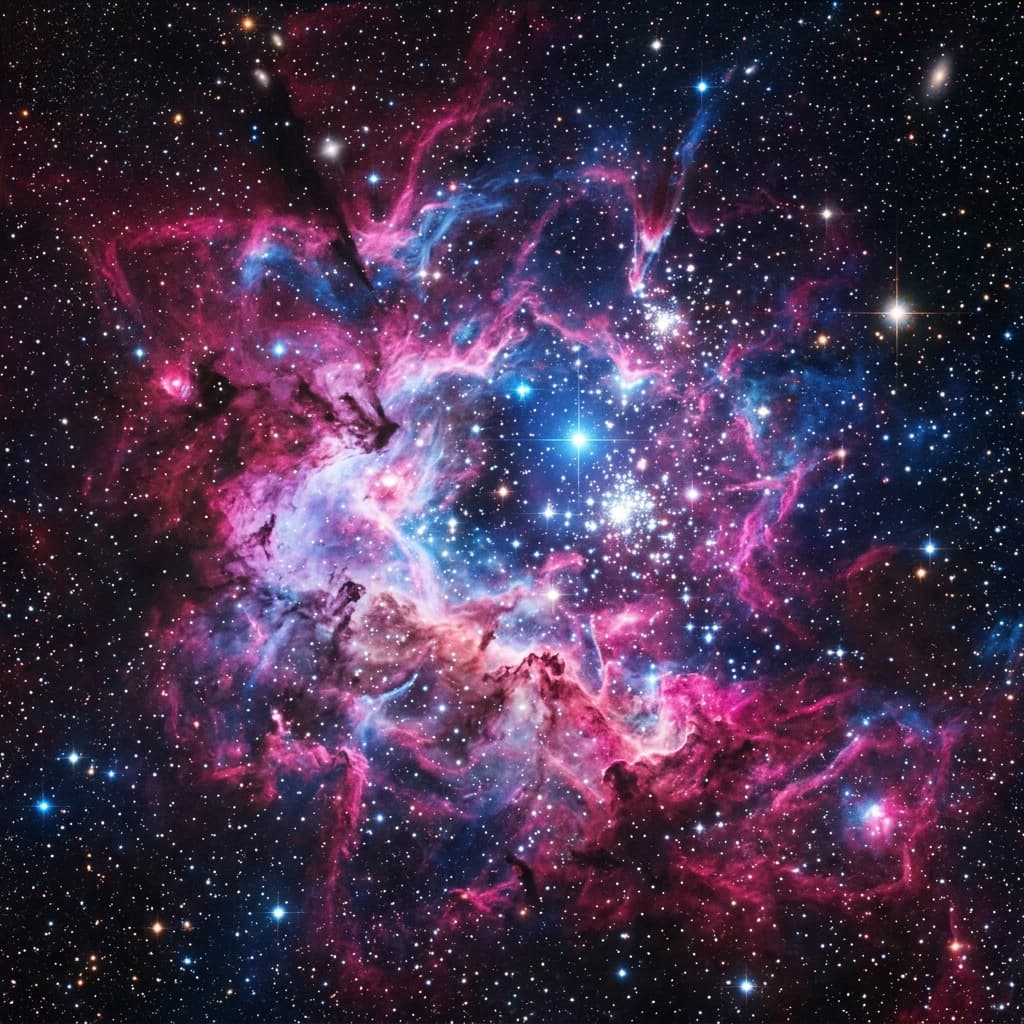
Today, NASA is the undisputed global leader in scientific space exploration. Its robotic emissaries are active across the entire solar system. The Perseverance and Curiosity rovers are actively drilling for signs of ancient life on Mars, while the Ingenuity helicopter proved that powered flight on another planet is possible. In deep space, NASA is operating the James Webb Space Telescope (JWST), an engineering marvel stationed a million miles from Earth that is actively photographing the very first galaxies formed after the Big Bang, fundamentally rewriting the laws of astrophysics and cosmology. On the human spaceflight front, NASA maintains continuous human presence on the ISS, relying on commercial partners like SpaceX to ferry astronauts to and from Low Earth Orbit.
Future Trajectory
Next Steps
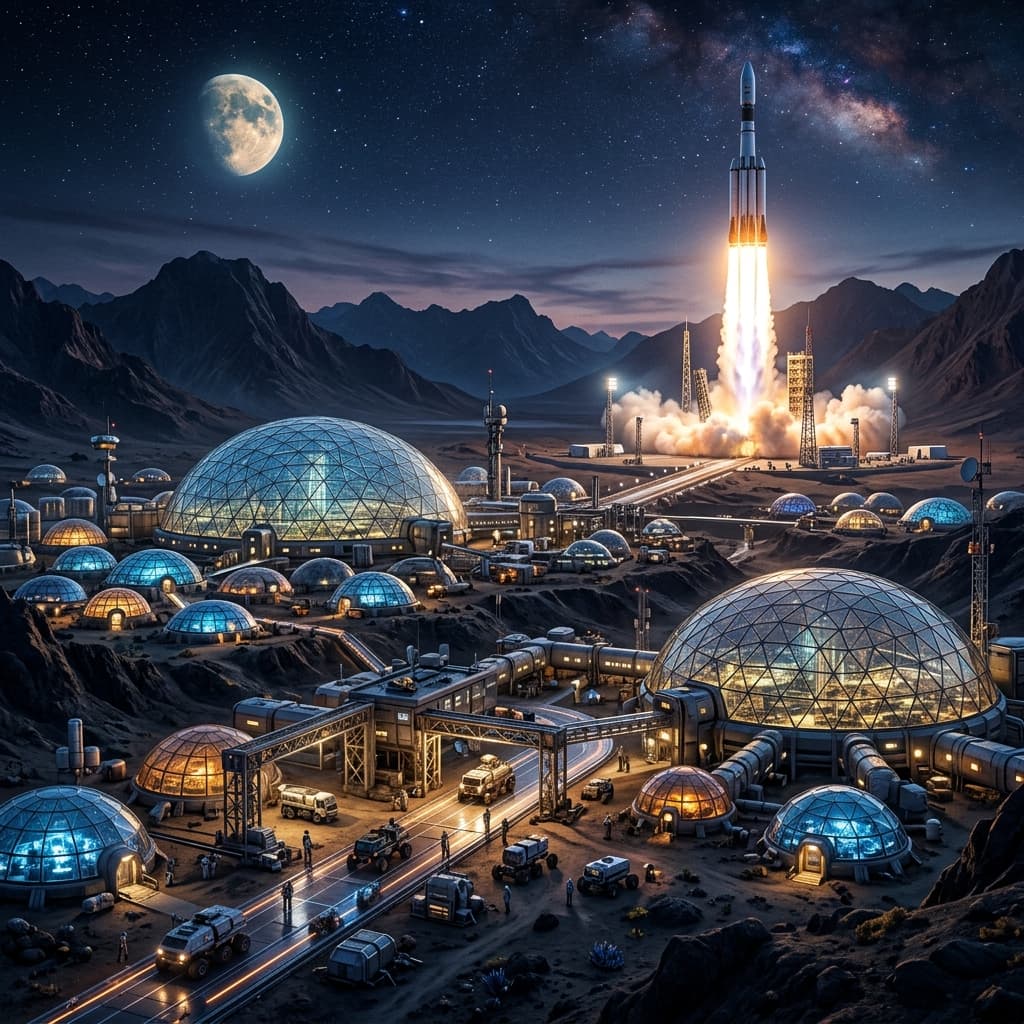
NASA's primary objective for the coming decades is the Artemis Program—the highly ambitious initiative to return humans to the Moon, and eventually, to Mars. Unlike Apollo, Artemis is designed for long-term sustainability. It involves the deployment of the Lunar Gateway station in orbit around the Moon, and the construction of the Artemis Base Camp near the lunar South Pole, where astronauts will harvest water ice to produce rocket fuel. Concurrently, NASA is planning flagships missions to the outer solar system, including the Europa Clipper, which will investigate Jupiter's icy moon for signs of a subsurface alien ocean, and the Mars Sample Return mission, which aims to bring pristine Martian rocks back to Earth for laboratory analysis.